
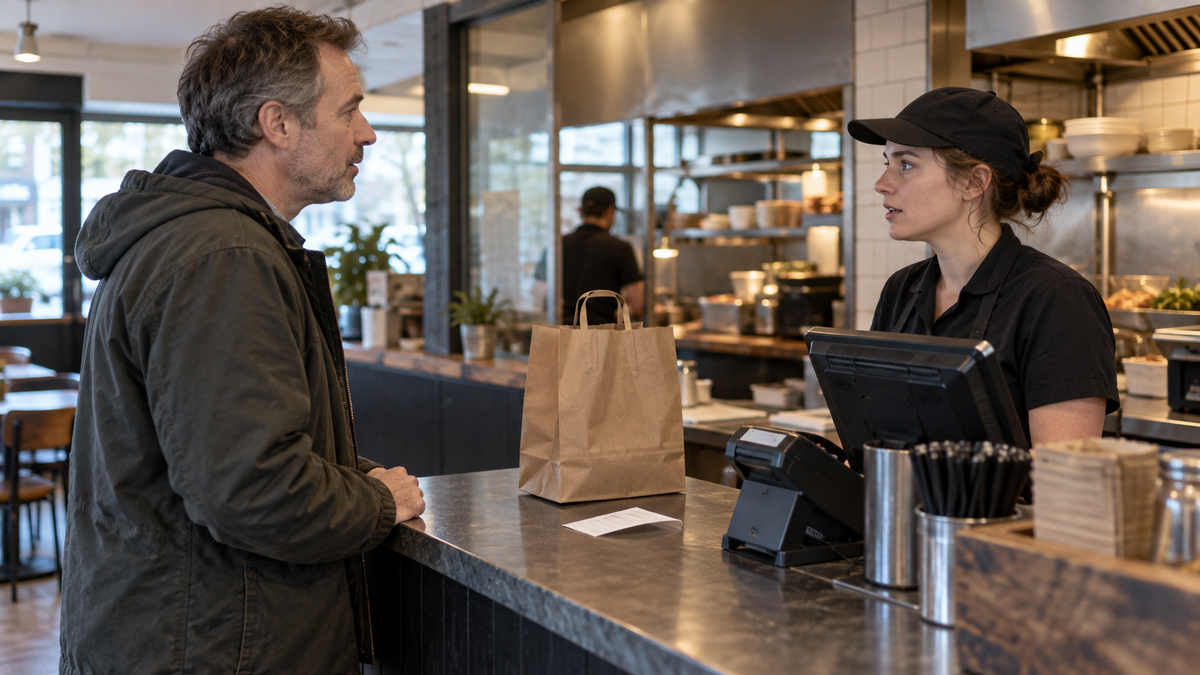
Direct answer
McDonalds AI pricing dispute customer support: what CRM buyers should take from it
Reuters investigated McDonald's use of AI-assisted pricing recommendations, while McDonald's says franchisees choose prices and denies dynamic or individual-customer pricing. A support team should not resolve that dispute by guessing from a receipt or repeating a viral headline. Capture the exact restaurant, channel, time, item, offer and charged amount, then route the case to the person authorized to explain or correct it.
Published 10/3/2026. News event: 10/1/2026.
What happened
- Reuters published its investigation on September 29, describing restaurant-level recommendations informed by transaction data and reporting franchisee concerns about pressure to follow them.
- In its October 1 response, McDonald's says the recommendation tool does not set or change prices and franchisees independently decide what to charge.
- McDonald's also denies individual-customer pricing and real-time or time-of-day dynamic pricing.
- These positions should remain attributed. The reporting does not prove that a particular customer's price difference was caused by AI.
Why this is trending
- The dispute turns a familiar price complaint into a public question about algorithmic authority and customer trust.
- Support staff may receive the same claim through calls, reviews, social screenshots and formal complaints, with different transaction evidence.
- The distinct support-ops angle is case handling and approved explanation, rather than a prediction about menu prices or a claim about legal liability.
The CRM Costs take
Consider an illustrative customer comparing an app price with a receipt from another location. The agent should confirm whether the comparison involves the same item, channel, offer and restaurant before explaining the difference. A generic answer about AI can intensify a complaint without resolving a billing question. The framework below is our case-handling proposal, not McDonald's internal procedure or an assertion of incorrect charges.
Pricing Complaint Evidence Map
An original support-case map for location, transaction, displayed offer, pricing authority, approved explanation and resolution evidence.
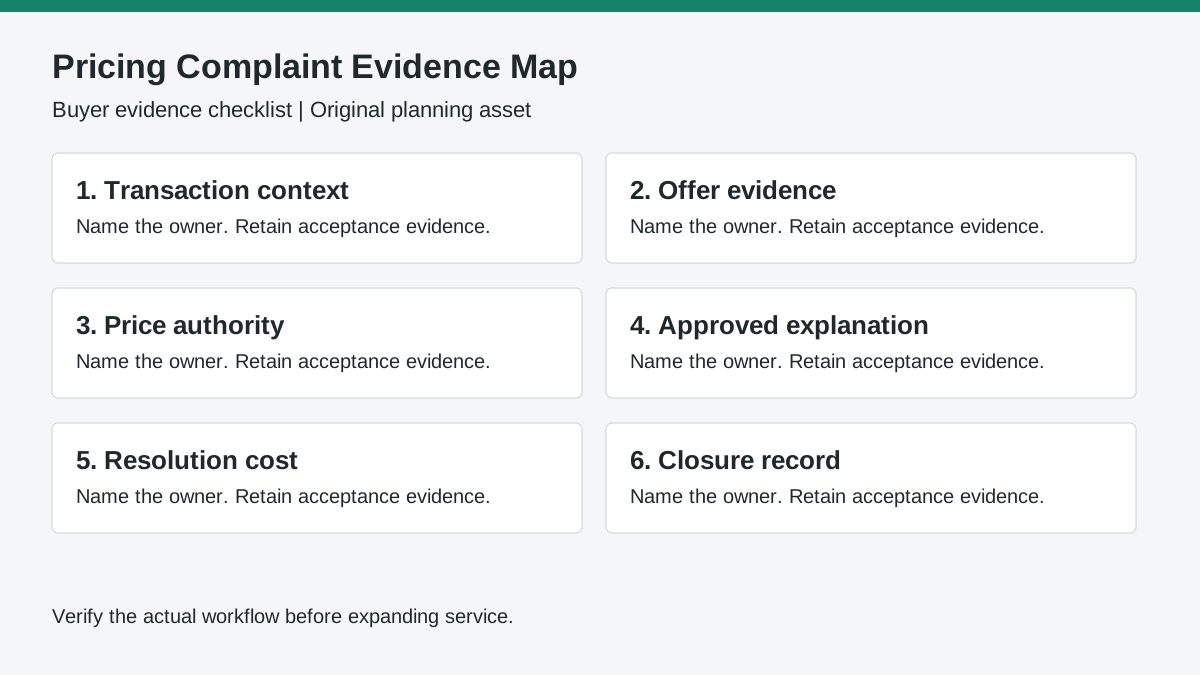
Capture only the receipt and transaction details needed to investigate; avoid unrelated payment information.
Preserve the displayed offer, eligibility and channel, then compare like with like.
Name the restaurant, franchise or service owner and the approved escalation route.
Maintain a dated approved response and a correction process when facts change.
Track repeat contact, handling time, escalation and any authorized adjustment.
Record the evidence considered, authorized decision and route for further review.
What buyers should do next
Buyer FAQs
Does the story prove every price difference comes from AI?
No. Neither a headline nor a difference between receipts establishes the cause of a specific price.
What does McDonald's say?
It says the tool provides restaurant-specific recommendations, people set prices, and it does not use dynamic or individual-customer pricing.
Why does a support buyer care?
Conflicting public claims create intake, escalation, knowledge-management and resolution work. Clear authority and case evidence reduce avoidable repeat handling.